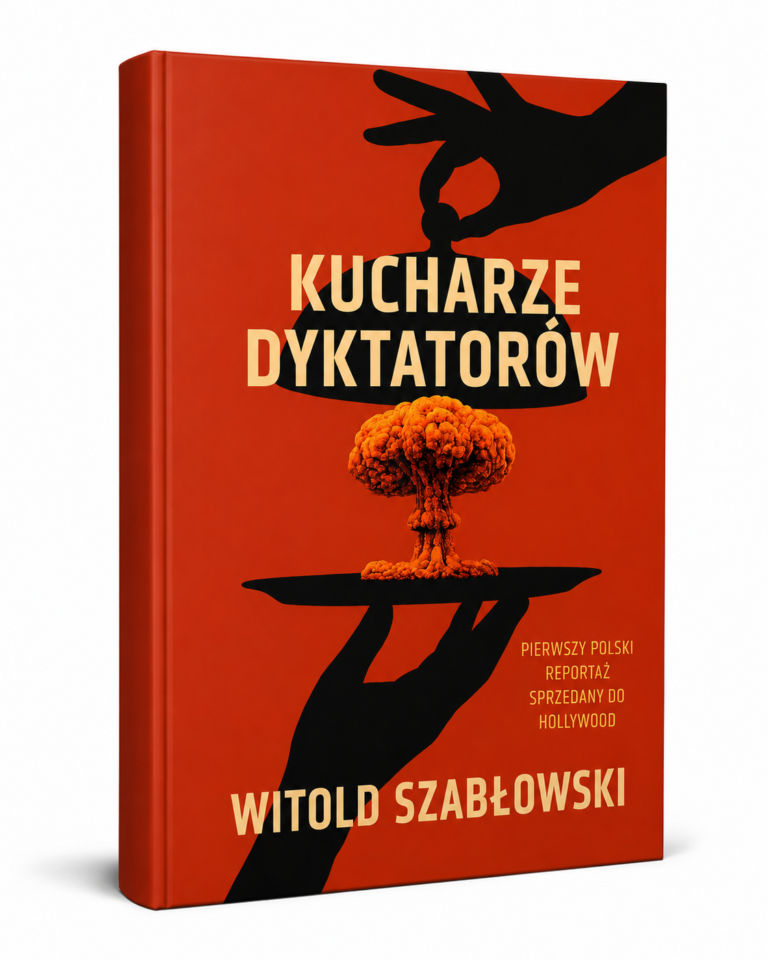
How to Feed a Dictator
'How to Feed a Dictator' was the first Polish nonfiction book sold to Hollywood.
What was bubbling under the lids while wars broke out and revolutions began? What does the history of the world look like when viewed from the perspective of a kitchen? Why is it the chef who knows the absolute truth about a dictatorship? Witold Szabłowski spent eight years traveling the world to track down the actual personal chefs of dictators, listen to their stories - and record their recipes. He met - and cooked! - with the chefs of ten dictators, from Saddam Hussein to Fidel Castro, and from Kim Jong Il to Wojciech Jaruzelski and Muammar Kaddafi.
The book won the Gourmand World Cookbook Award - the culinary equivalent of an Oscar.
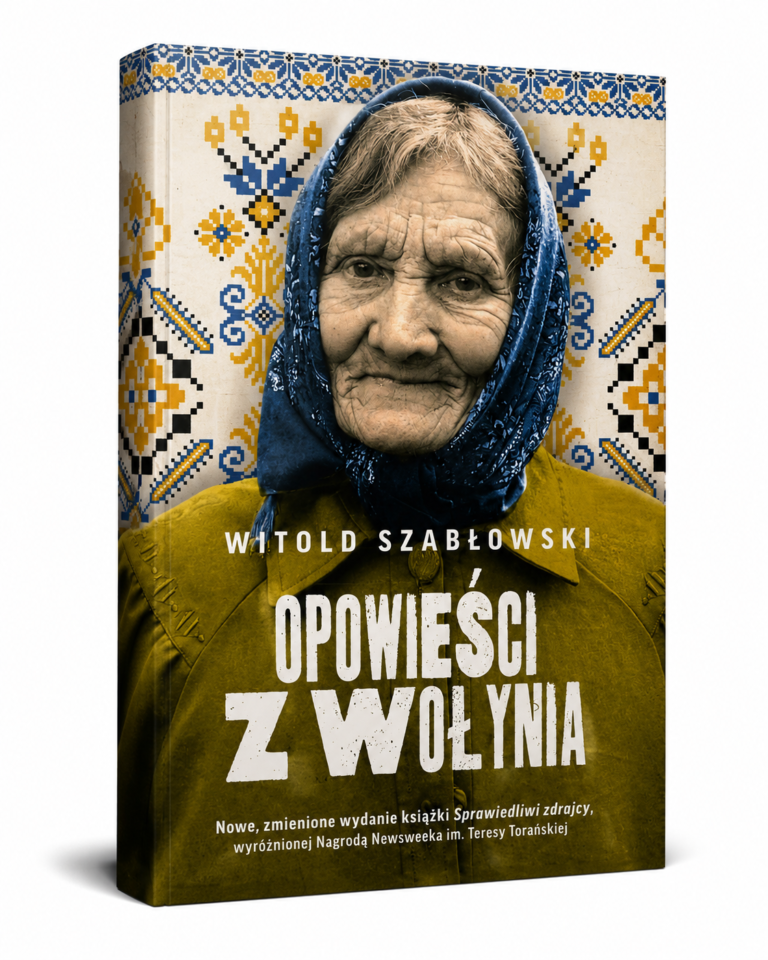
Stories from Volhynia
This book sheds entirely new light on the Volhynia massacre and on the events of 1943. Witold Szabłowski traveled to Volhynia for six years, visiting the region more than forty times. This is a story of extraordinary courage - about Ukrainians who, at the darkest moment, dared to risk their own lives and the lives of their families to save their Polish neighbors from the UPA. Thousands of them lost their lives because of it.
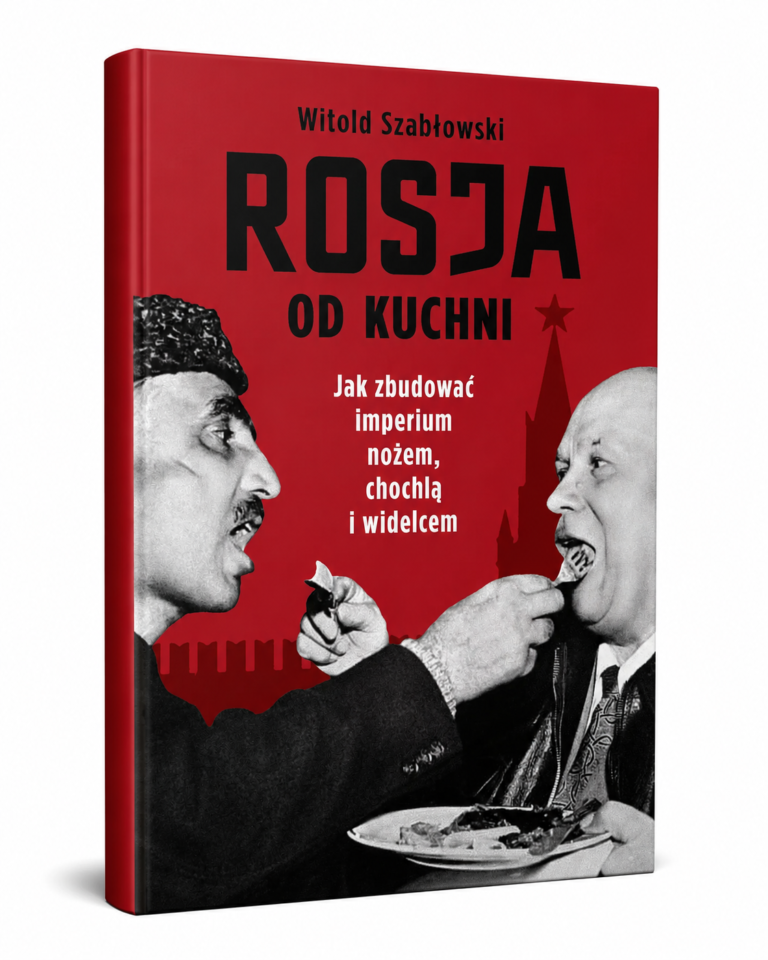
What's Cooking in the Kremlin: From Rasputin to Putin, How Russia Built an Empire with a Knife and Fork
Witold Szabłowski has tracked down - and broken bread with - people whose stories of working in Kremlin kitchens impart a surprising flavor to our understanding of one of the world’s superpowers. In revealing what Tsar Nicholas II’s and Lenin’s favorite meals were, why Stalin’s cook taught Gorbachev’s cook to sing to his dough, what the recipe was for the first soup flown into outer space, why Brezhnev hated caviar, what was served to the Soviet Union’s leaders at the very moment they decided the USSR should cease to exist, and whether Putin’s grandfather really did cook for Lenin and Stalin, Szabłowski has written a fascinating oral history - complete with recipes and photos - of Russia’s evolution from culinary indifference to decadence, famine to feasts, and of the Kremlin’s Olympics-style preoccupation with food as an expression of the country’s global standing.

Dancing Bears
Witold Szabłowski's first book to achieve international acclaim - a bestseller on three continents, from the USA to Taiwan. Witold Szablowski uncovers remarkable stories of people throughout Eastern Europe and in Cuba who, like Bulgaria's dancing bears, are now free but who seem nostalgic for the time when they were not. His on-the-ground reporting of smuggling a car into Ukraine, hitchhiking through Kosovo as it declares independence, arguing with Stalin-adoring tour guides at the Stalin Museum, sleeping in London's Victoria Station alongside a homeless woman from Poland, and giving taxi rides to Cubans fearing for the life of Fidel Castro - provides a fascinating portrait of social and economic upheaval and a lesson in the challenges of freedom and the seductions of authoritarian rule.
How to Feed a Dictator
„Kucharze dyktatorów” to pierwszy polski reportaż sprzedany do Hollywood. Co bulgotało pod pokrywkami, kiedy wybuchały wojny i rozpoczynały się powstania? Jak wyglądają losy świata widziane z perspektywy kuchni? Dlaczego kucharz zna całą prawdę o dyktaturze? Witold Szabłowski przez osiem lat jeździł po świecie, aby odnaleźć prawdziwych kucharzy dyktatorów, wysłuchać ich opowieści – i zanotować przepisy. Spotkał się – i gotował! – z kucharzami aż dziesięciu dyktatorów, od Saddama Husajna po Fidela Castro, od Kim Dzong Ila po Wojciecha Jaruzelskiego i Muammara Kaddafiego. Książka zdobyła Gourmand World Cookbook Award – czyli kulinarnego Oscara.
Stories from Volhynia
This book sheds entirely new light on the Volhynia massacre and on the events of 1943. Witold Szabłowski traveled to Volhynia for six years, visiting the region more than forty times. This is a story of extraordinary courage - about Ukrainians who, at the darkest moment, dared to risk their own lives and the lives of their families to save their Polish neighbors from the UPA. Thousands of them lost their lives because of it.
What's Cooking in the Kremlin: From Rasputin to Putin, How Russia Built an Empire with a Knife and Fork
Witold Szabłowski has tracked down - and broken bread with - people whose stories of working in Kremlin kitchens impart a surprising flavor to our understanding of one of the world’s superpowers. In revealing what Tsar Nicholas II’s and Lenin’s favorite meals were, why Stalin’s cook taught Gorbachev’s cook to sing to his dough, what the recipe was for the first soup flown into outer space, why Brezhnev hated caviar, what was served to the Soviet Union’s leaders at the very moment they decided the USSR should cease to exist, and whether Putin’s grandfather really did cook for Lenin and Stalin, Szabłowski has written a fascinating oral history - complete with recipes and photos - of Russia’s evolution from culinary indifference to decadence, famine to feasts, and of the Kremlin’s Olympics-style preoccupation with food as an expression of the country’s global standing.
Dancing Bears
Pierwsza książka Witolda Szabłowskiego o międzynarodowym zasięgu – była bestsellerem na trzech kontynentach, od USA, po Tajwan. Szabłowski przygląda się niedźwiedziom w Bułgarii, które na nowo uczą się wolności, i wędruje po krajach, które wciąż na wolność czekają, oraz tych, które mają jej nadmiar. Objeżdża autostopem ogłaszające niepodległość Kosowo, wozi zdezelowanym peugeotem drżących o życie Fidela Kubańczyków, kłóci się z zakochanymi w Stalinie przewodniczkami po jego muzeum, przemyca samochód na Ukrainę, nocuje na londyńskiej stacji Victoria z bezdomną spod Pabianic. W jego reportażu wszyscy okazujemy się tańczącymi niedźwiedziami, którym wolność przynosi jednocześnie ulgę i ból.